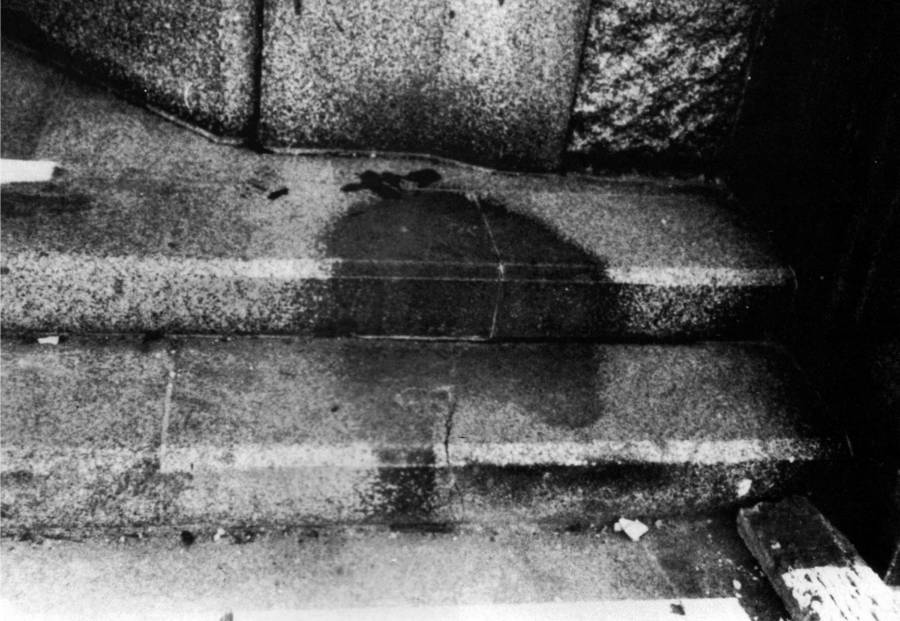
Joudun nyt toistamaan itseäni:Whicher kirjoitti: Ke Syys 07, 2022 2:25 pmSe ettei ydinpommeja olisi käytetty on mitä suurimmassa määrin salaliittoteoria.EricBlair kirjoitti: Ke Syys 07, 2022 2:16 pmTe ette mistään muusta puhukaan kuin salaliittoteorioista. The New York Times tunnetaan juuri niistä ja samoin paikalla olleet näkivät väärin. Katsoin linkkiä. Voisitko selittää ensimmäisenä vastaan tulevasta kuvasta, miten on mahdollista että rakennukset ovat pystyssä atomipommin jäljiltä? FIG 1Whicher kirjoitti: Ke Syys 07, 2022 2:03 pm Mutta kylläkin leukemiaa ja muita syöpiä, sekä liuta muita sairauksia joita nimenomaan seuraa säteilystä mutta ei palopommeista.
https://www.ncbi.nlm.nih.gov/pmc/articles/PMC3907953/
Mutta tietenkin mukavampi uskoa salaliittoteorioita kuin 63 (!) vuotta kestäneitä tutkimuksia.
New York Times taas ei ehdottanut mitään sellaista, vaan lähinnä toi esiin, että geneettisiä MUTAATIOITA on vähän, eikä jälkeläisille ole periytynyt haittoja. Turha vedota siihen auktoriteettina, kun se ei pommitusta epäile.
Rakennukset eivät ole pystyssä, vaan maisema on lähes täysin sileä. Se, että pari rakennusta on jäänyt romahtamatta kokonaan ei liene mitenkään ihmeellistä. Eivät tsunamitkaan kaikkea pistä sileäksi vaikka iso osa rakennuksista tuhoutuisikin.
Ehkä ne olivat erityisen kestävästi rakennettuja (esim maanjäristyksiä on Japanissa niin tiuhaan, että varsinkin valtion rakennukset, sairaalat jne ovat erityisen vahvoja).
Ehkä ne olivat niin hataria, että paineaalto meni läpi kaatamatta seiniä.
Ehkä ne olivat niin lähellä keskusta, että paineaalto tuli ylhäältä eikä sivulta.
Mahdollisia selityksiä on paljon enemmän kuin tukea sille että kyseessä olisi ollut palopommitus.
Jälleen kerran, en minä ole väittämässä yhtään mitään, mutta en voi sille mitään että on herännyt epäilyjä sen suhteen pommitettiinko palopommeilla vai atomipommilleilla, sillä tuhoissa ei juuri ole eroa esim Dresdeniin, joka myös lähetettiin kivikaudelle tiputtamalla niskaan palopommeja. Ihmetellään kuinka betonirakenteet voivat olla ehjiä ja jälki muutonkin samanlaista kuin muissa Japanin kaupungeissa joihin ei ollut tiputettu "atomipommeja".
U.S. Major Alexander P. de Seversky, who in 1945 inspected the bombed-towns of Japan, testified:
In Hiroshima I was prepared for radically different sights. But, to my surprise, Hiroshima looked exactly like all the other burned-out cities in Japan. There was a familiar pink blot, about two miles in diameter. It was dotted with charred trees and telephone poles. Only one of the cities twenty bridges was down. Hiroshima’s clusters of modern buildings in the downtown section stood upright.
It was obvious that the blast could not have been so powerful as we had been led to believe. It was extensive blast rather than intensive.
I had heard of buildings instantly consumed by unprecedented heat. Yet here I saw the buildings structurally intact, and what is more, topped by undamaged flag poles, lightning rods, painted railings, air raid precaution signs and other comparatively fragile objects.
At the T-bridge, the aiming point for the atomic bomb, I looked for the “bald spot” where everything presumably had been vaporized in the twinkling of an eye. It wasn’t there or anywhere else. I could find no traces of unusual phenomena.
What I did see was in substance a replica of Yokohama or Osaka, or the Tokyo suburbs – the familiar residue of an area of wood and brick houses razed by uncontrollable fire. Everywhere I saw the trunks of charred and leafless trees, burned and unburned chunks of wood. The fire had been intense enough to bend and twist steel girders and to melt glass until it ran like lava – just as in other Japanese cities.
The concrete buildings nearest to the centre of explosion, some only a few blocks from the heart of the atom blast, showed no structural damage. Even cornices, canopies and delicate exterior decorations were intact. Window glass was shattered, of course, but single-panel frames held firm; only window frames of two or more panels were bent and buckled. The blast impact therefore could not have been unusual.
Olitko paikalla?